
Queen Moremi Ajasoro


Queen Moremi Ajasoro: The Courageous Shero of Ile-Ife
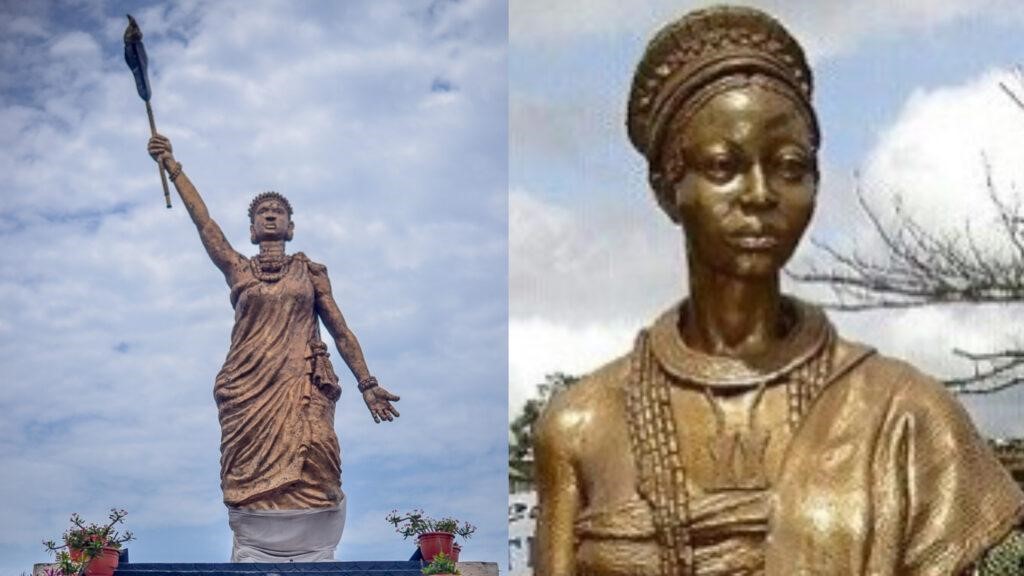
Queen Moremi Ajasoro stands as one of the most celebrated heroines in Yoruba history — a woman whose courage, intelligence, and sacrifice forever changed the destiny of her people. Her story, passed down through generations of oral tradition and folklore, continues to inspire millions across Yorubaland and beyond.
Moremi was a renowned Yoruba queen from what is today southwestern Nigeria. She is famed for her pivotal role in liberating the ancient kingdom of Ifẹ̀ from the mysterious invaders known as the Igbo — not the southeastern ethnic group, but a group referred to in Yoruba as igbò, meaning forest people.
A Royal Beginning
Moremi Ajasoro was born in the 12th century in Offa, a town in present-day Nigeria. She was known far and wide for her extraordinary beauty — a radiance said to rival the sun itself. Yet she was more than a beautiful princess; Moremi was patriotic, intelligent, and deeply devoted to the wellbeing of her people.
She later married Ọ̀rànmíyàn, son of Odùduwà — the founding father of the Yoruba people. As queen consort of Ife, she became a central figure in the royal household, admired by her people and respected for her wisdom.
Though the details of her early life are sparse — as with much of ancient African history — Moremi's legacy arises from an act of bravery unparalleled in the history of the Yoruba kingdom.
A Kingdom Under Siege
During Moremi's reign, Ile-Ife was terrorized by repeated raids from the igbò — mysterious forest warriors who appeared as towering masquerades draped head-to-toe in raffia. To the people of Ife, these invaders seemed like spirits, Ará Ọ̀rùn — beings from the heavens.
Because of this fear, the people were unable to defend themselves effectively. The igbò would storm the kingdom, destroy homes, enslave citizens, and vanish back into the forests. Numerous rituals and sacrifices were performed to appease the gods, but nothing stopped the relentless attacks.
A Brave Plan of Infiltration
Believing in the power of sacrifice and guided by her devotion, Moremi made a solemn vow to the Spirit of the Esimirin River: if she discovered a way to defeat the attackers, she would offer the greatest sacrifice she could give.
With this vow in her heart, she devised a daring plan. Moremi purposely placed herself in harm's way so she could be captured by the igbò invaders and infiltrate their ranks. Her extraordinary beauty worked in her favour — instead of being treated as a slave, she was taken by the igbò king as his wife.
In this new position, Moremi quietly observed. She studied the forest people's secrets, their tactics, and, most importantly, the weaknesses behind their masquerades. After gathering all the intelligence she needed, she escaped — a heroic act in itself — and returned to Ile-Ife to reveal everything she had learned.
Liberation of Ife
Armed with Moremi's intelligence, the people of Ife were finally able to defeat the invaders. They discovered that the masquerade-like raffia costumes of the igbò were highly flammable, and this knowledge turned the tide of the battle.
The victory restored peace and sovereignty to Ile-Ife. Moremi became a celebrated shero — the woman whose courage saved an entire kingdom. But her story did not end with triumph.
The Ultimate Sacrifice
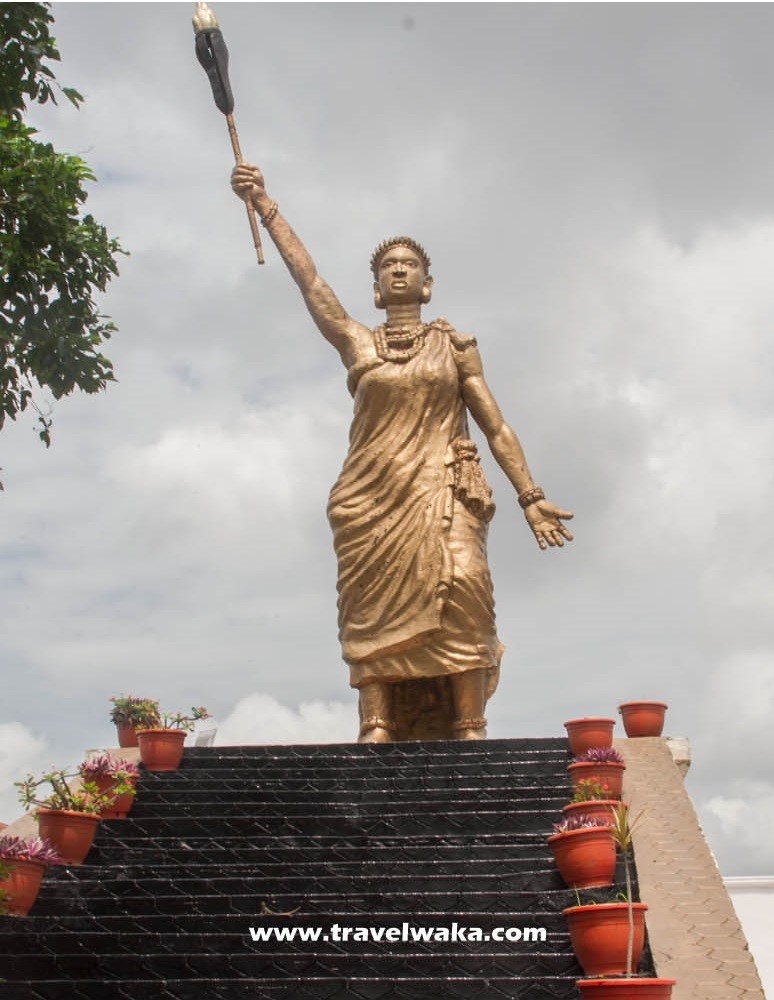
Bound by her vow to the Esimirin River, Moremi returned to fulfil her promise. The river spirit demanded a sacrifice — and not just any offering. It demanded her only son, Oluorogbo.
Moremi was devastated. She pleaded for an alternative sacrifice, but the vow she had made was sacred and unbreakable. In the end, she kept her word. The sacrifice of Oluorogbo shook the entire kingdom, and the people of Ife mourned with their queen.
To honour her pain and bravery, they promised to be her "eternal children" — a symbolic gesture that remains part of Yoruba tradition today.
Her Everlasting Legacy
-
1. The Edi Festival
Celebrated annually in Ile-Ife, the Edi Festival honours Moremi's sacrifice and keeps her legacy alive.
-
2. Cultural Preservation
Her story continues to inspire plays, literature, and modern adaptations such as Queen Moremi: The Musical, retelling her saga of bravery and love.
-
3. A Symbol of Womanhood & Patriotism
Moremi remains an enduring symbol of selflessness, leadership, and the power of a single woman to change the course of history.
A Shero for the Ages
Queen Moremi Ajasoro is more than a legend — she is a testament to bravery, strategy, and unwavering devotion to one's people. Her name will forever echo as one of Africa's greatest heroines.
Stay tuned for the continuation of this story about the great Queen Moremi — a true Yoruba Shero whose legacy lives on.
Her Legacy Lives On
Queen Moremi teaches us that true leadership requires courage, wisdom, and sacrifice for the greater good.
Shop Ajasoro Costume